
19th-Century Elmwood Village Home Transformed: Where Buffalo’s Industrial Heritage Meets Modern Design
In the vibrant Elmwood Village neighborhood of Buffalo, a comprehensive interior renovation has breathed new life into a historic 19th-century residence. This thoughtful redesign successfully marries Buffalo’s rich industrial past with contemporary design sensibilities, creating a space that feels both timeless and decidedly modern.
Industrial Heritage as Design Inspiration
The renovation draws deep inspiration from Buffalo’s storied industrial heritage, a period that shaped both the city’s architecture and identity. Rather than approaching the project as a purely modern overhaul, the design embraces the home’s 19th-century origins while introducing elements that speak to today’s lifestyle needs.
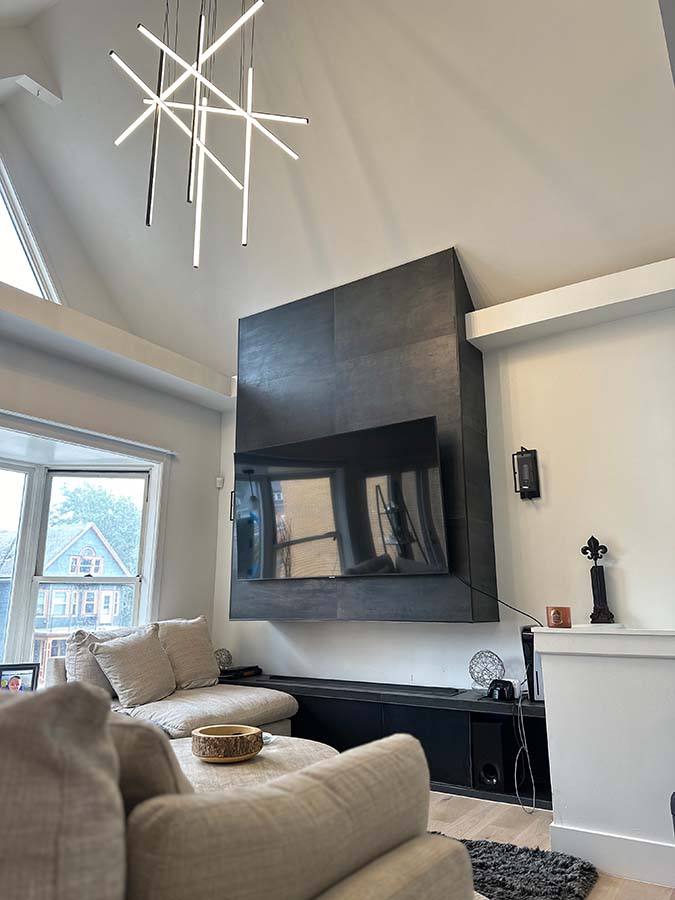
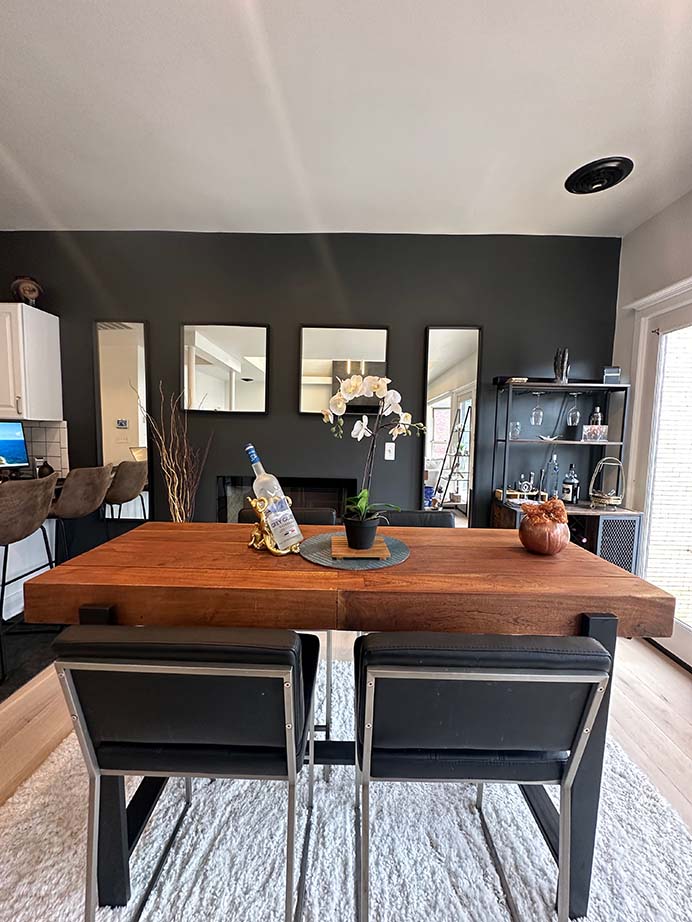
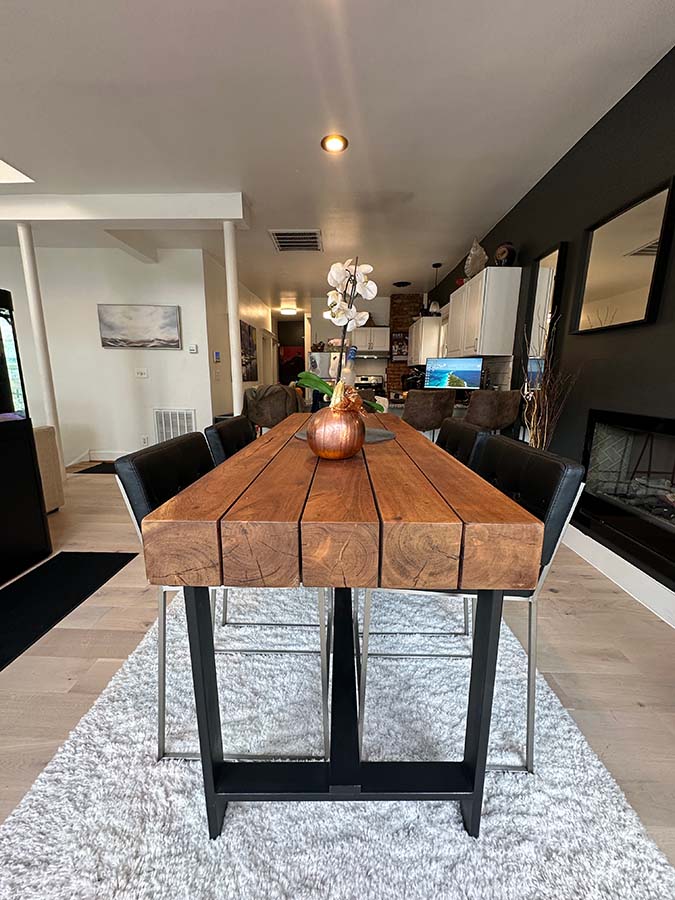
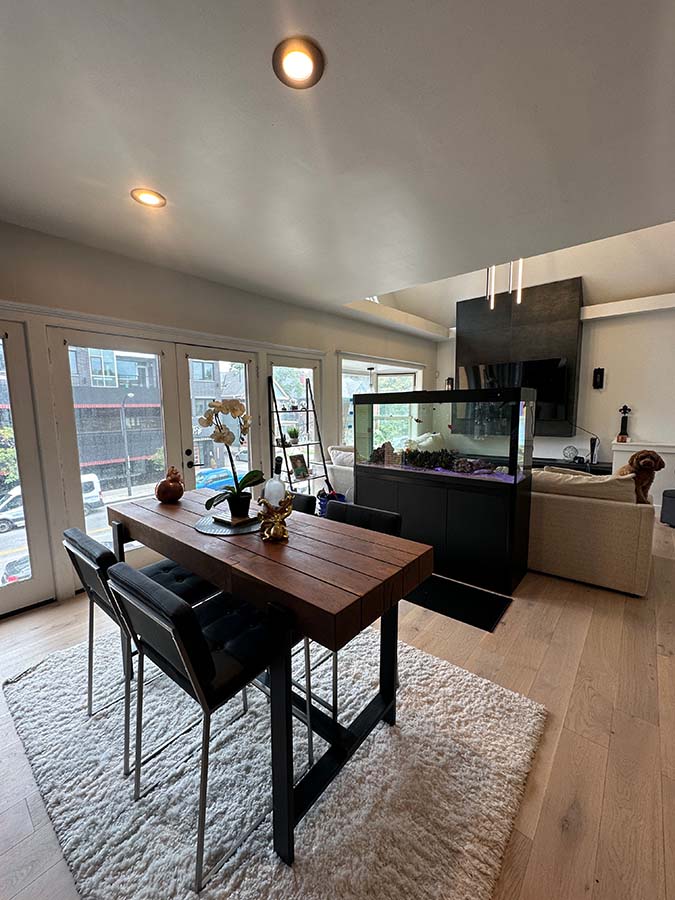
Throughout the interior, natural wood and metal elements feature prominently, serving as a deliberate homage to Buffalo’s manufacturing history. These materials are incorporated in ways that honor traditional craftsmanship while maintaining a clean, contemporary aesthetic. The juxtaposition of rough-hewn wood against refined metal surfaces creates a captivating visual tension that runs throughout the home.
Open Concept with Thoughtful Definition
The renovation embraces an open-concept layout that aligns with modern living preferences while respecting the home’s original character. This openness creates an immediate sense of welcome upon entry, allowing light to flow freely and facilitating the social interactions that define contemporary home life.
However, the design avoids the pitfall of excessive openness that can sometimes make spaces feel cavernous or undefined. Instead, subtle visual separations have been strategically introduced to create distinct functional zones without disrupting the overall flow.
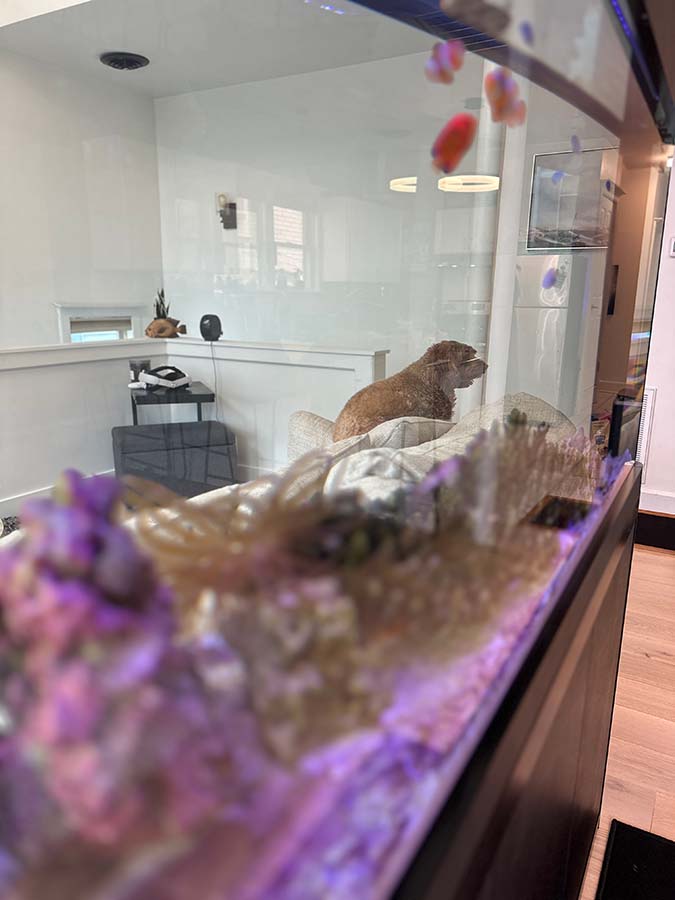
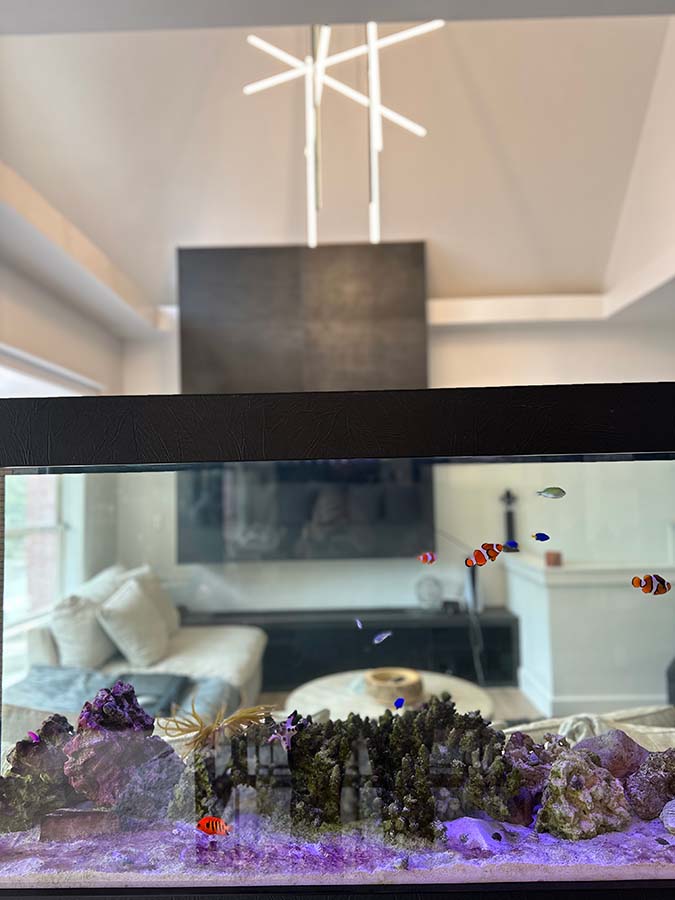
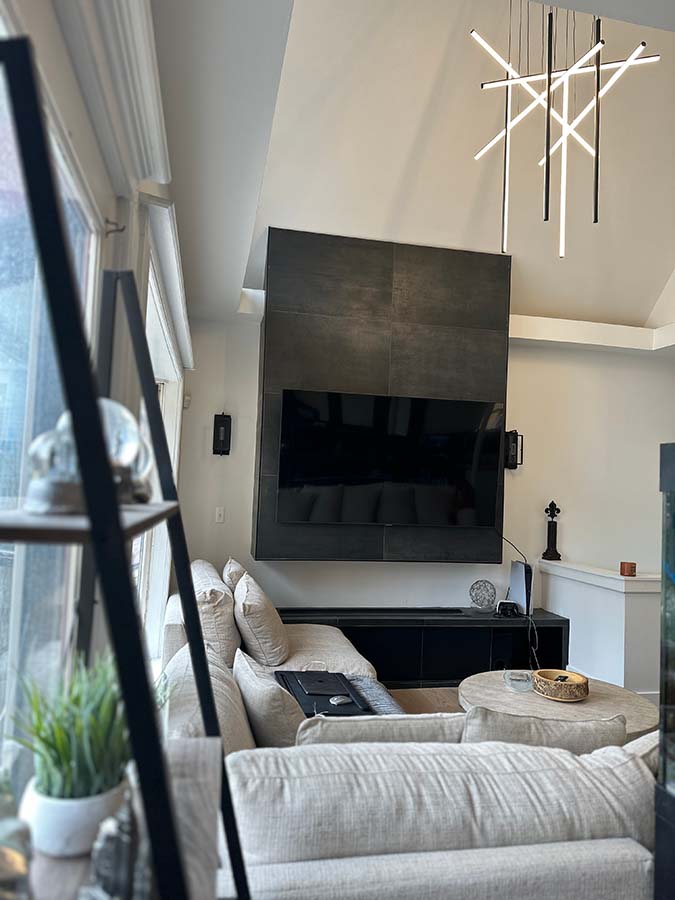
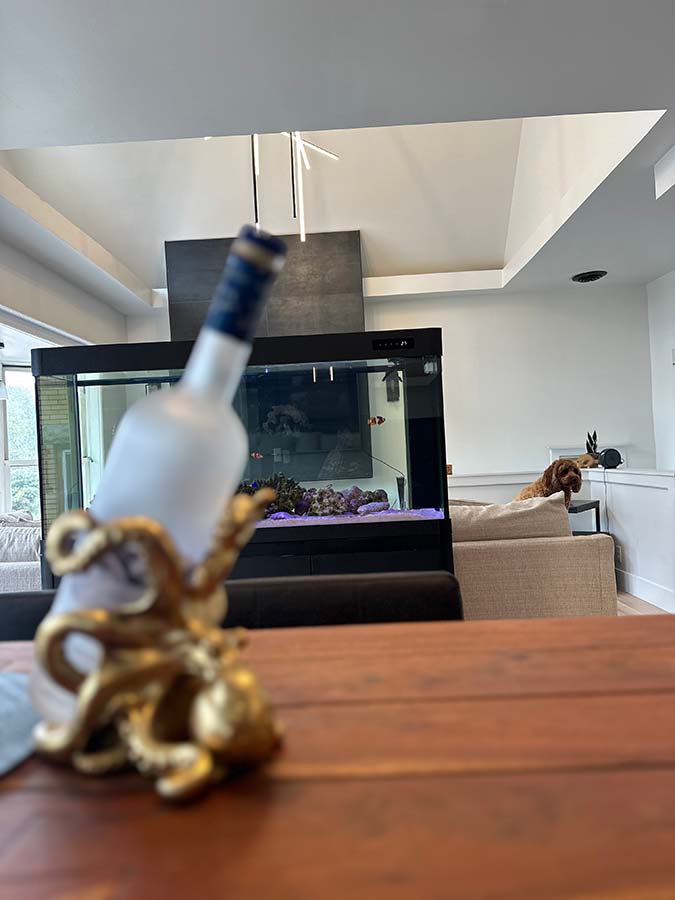
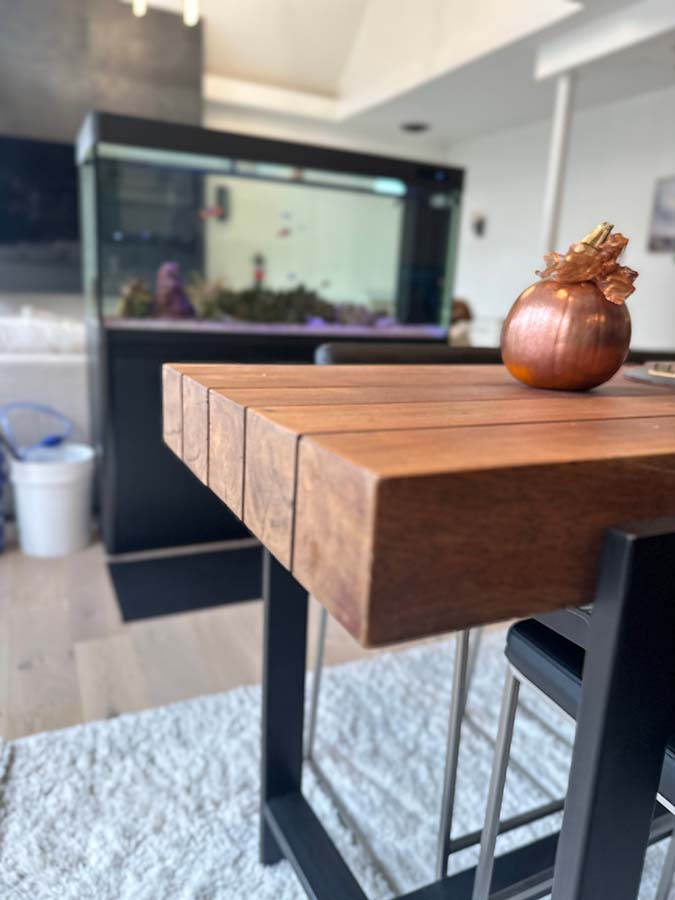
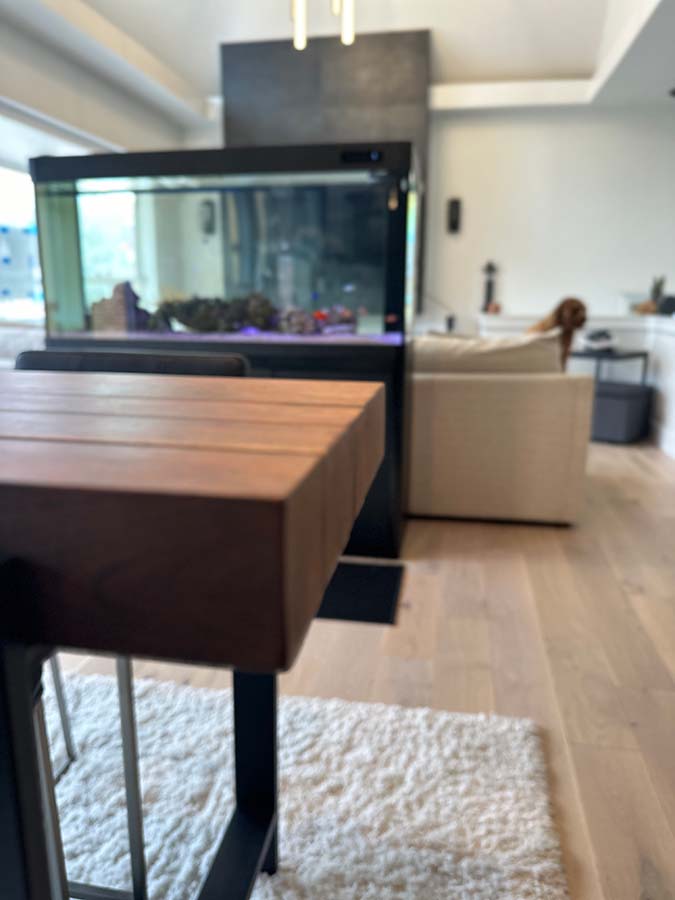
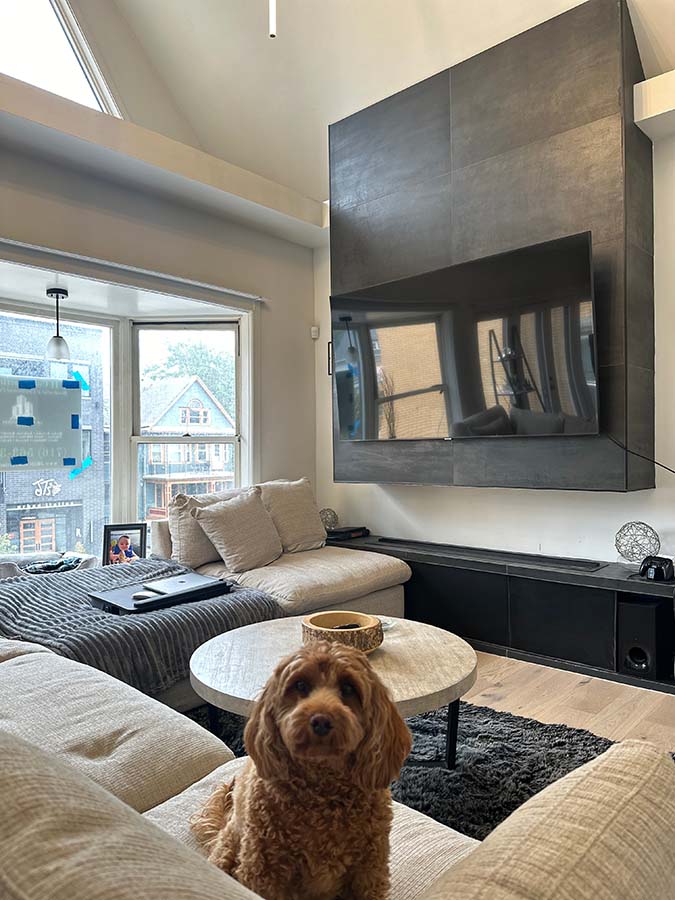
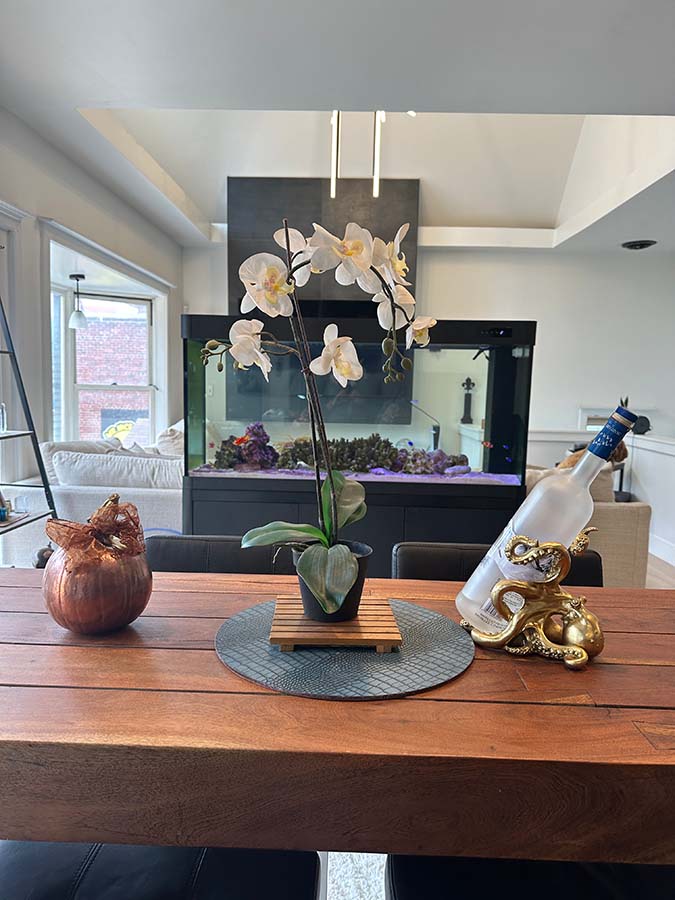
One particularly innovative space-defining element is the creative placement of an L-shaped couch positioned back-to-back with a custom fish tank. This arrangement accomplishes several design objectives simultaneously: it clearly delineates the living area, introduces a natural focal point that draws the eye, and adds dynamic movement through the swimming inhabitants of the aquarium.
The fish tank serves as more than just a room divider—it brings vibrant life and constant motion to the space, reflecting the energetic character of the surrounding Elmwood Village neighborhood. This thoughtful parallel between interior element and external environment creates a subtle connection that grounds the home in its specific locale.
We'll help you to build your future.
Material Selection and Application
Material choices throughout the renovation were made with both aesthetic impact and historical resonance in mind. The natural wood elements vary in finish and application—from more polished surfaces in primary living areas to deliberately rougher textures in transition spaces. This variation adds depth to the design while providing visual cues about the function of different areas.
Metal accents appear in both structural and decorative applications, from exposed hardware to lighting fixtures to furniture frames. These elements introduce industrial character without overwhelming the space, creating moments of visual interest that reward closer inspection.
The color palette remains largely restrained, allowing the inherent beauty of the natural materials to take center stage. Warm neutrals predominate, with strategic pops of color that energize the space without disrupting its cohesive feel.
Balancing Multiple Design Influences
One of the renovation’s most remarkable achievements is its successful integration of seemingly disparate design influences. The final result harmoniously blends elements of:
- Minimalism: Through clean lines and uncluttered spaces that allow the architecture to breathe
- Modernism: In the functional layout and honest expression of materials
- Urban Style: Reflecting the home’s city setting and neighborhood context
- Warmth: Creating inviting spaces that feel lived-in rather than museum-like
This balanced approach prevents the space from feeling like it adheres too rigidly to any single design ideology. Instead, it creates a home that feels curated yet comfortable, designed yet deeply personal.
Honoring the Past While Embracing the Present
Throughout the renovation, careful attention was paid to preserving and highlighting original architectural elements worth saving. These historic features stand in dialogue with new interventions, creating layered spaces that tell the story of the home’s evolution over time.
Rather than erasing the past or creating a period-perfect recreation, the design acknowledges the building’s journey through time. Original moldings may sit alongside contemporary lighting; historic flooring might support modern furniture. This approach recognizes that the most successful renovations don’t freeze a building in time but rather allow it to continue its story.
A Space That Reflects Its Context
The completed renovation stands as a thoughtful reflection of both Buffalo’s industrial heritage and the vibrant character of the Elmwood Village neighborhood. By drawing inspiration from local history and context, the design achieves a sense of place that generic renovations often lack.
The home now offers its residents a space that feels simultaneously grounded in history and thoroughly contemporary—a warm, inviting environment that honors Buffalo’s rich past while fully embracing present-day living. This skillful balance between old and new, industrial and refined, minimal and warm, creates an interior that will remain relevant and compelling for years to come.